Do Nothing, Heal Everything: Why Boredom Might Be the Most Spiritual Thing You Do Today

Photo by Photo by R.D. Smith on Unsplash on Unsplash
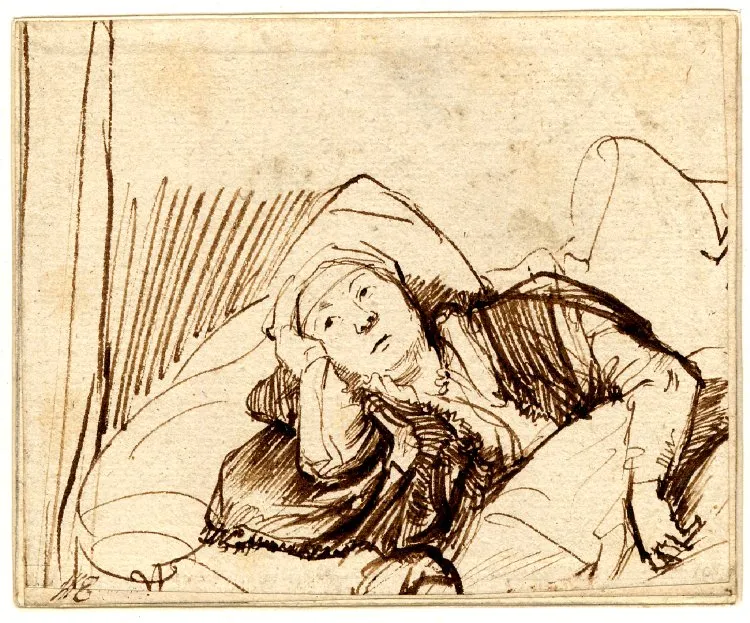
Let's be honest — when was the last time you were actually, genuinely bored? Not scrolling-through-Instagram-bored. Not half-watching-a-show-while-texting-bored. Actually bored. Staring at the ceiling, nothing to do, nowhere to be, mind just... wandering.
If you can't remember, you're not alone. Americans have quietly declared war on boredom. We've filled every spare second with podcasts during commutes, notifications at dinner, background noise in the shower. Silence feels suspicious. Empty time feels wasteful. And somehow, somewhere along the way, we convinced ourselves that staying constantly stimulated was the same thing as being alive.
But here's the thing — your brain disagrees. And honestly? So does your faith.
What Your Brain Is Actually Doing When You Zone Out
Neuroscientists have a name for what happens when your mind goes quiet and starts to wander freely. It's called the default mode network (DMN), and for a long time, researchers thought it was basically the brain idling — a kind of mental screensaver. They were wrong.
It turns out the DMN is one of the most metabolically active states your brain enters. When you're not focused on a specific task, your brain lights up in ways that support memory consolidation, emotional processing, empathy, self-reflection, and creative problem-solving. In other words, when you stop doing, your brain starts integrating.
Dr. Mary Helen Immordino-Yang, a neuroscientist at the University of Southern California, has described the default mode network as essential to building a coherent sense of self. When we never let our minds rest — when we constantly push external input in — we interrupt that integration process. The result? Mental fatigue, emotional reactivity, a vague sense of being scattered, and a disconnection from who we actually are underneath all the noise.
Your doctor isn't going to prescribe boredom just yet. But the research is pointing firmly in that direction.
The Contemplative Traditions Knew This First
Here's where it gets interesting for those of us who approach wellness through a faith lens: spiritual traditions across the globe have been prescribing empty time for thousands of years, long before neuroscience had the language to explain why it worked.
Christian contemplatives called it lectio divina and centering prayer — the practice of quieting the mind so something deeper could surface. The Quakers built their entire worship tradition around communal silence. In Jewish practice, the concept of menuha on the Sabbath isn't just about resting from labor — it's about creating spaciousness for the soul. Islamic tradition honors extended periods of quiet reflection, particularly during Ramadan's night hours. Buddhist meditation, at its core, is structured boredom — sitting with nothing, going nowhere, just being.
These aren't coincidences. Across vastly different cultures and centuries, the spiritually wise kept arriving at the same conclusion: the soul needs empty space to do its deepest work.
When we crowd out every moment with stimulation, we're not just exhausting our nervous systems. We're closing the door on whatever might be trying to reach us in the quiet.
Why We're So Afraid of It
So if boredom is this powerful, why do we run from it so hard?
Researchers at the University of Virginia conducted a now-famous study in which participants were left alone in a room with nothing to do — and were given the option to self-administer mild electric shocks to break the monotony. A significant number chose the shocks. Actual physical pain felt preferable to sitting with their own thoughts.
That finding says something uncomfortable about us. Somewhere in our inner life, there's something we don't want to face. Grief we haven't processed. A decision we keep avoiding. A question about our purpose that we're not ready to answer. Busyness is a brilliant distraction from all of it.
But avoidance has a physical cost. Chronic overstimulation keeps your cortisol levels elevated, disrupts sleep architecture, and contributes to the kind of low-grade anxiety that so many Americans are now treating as their baseline normal. The restlessness you feel when you try to sit still? That's not a personality quirk. That's withdrawal.
How to Actually Practice Doing Nothing
Reclaiming boredom as a healing practice doesn't require a monastery or a meditation cushion. It just requires a little intentional inconvenience.
Start smaller than you think you need to. Five minutes of genuine emptiness — no phone, no background noise, no task — is a real starting point. Sit outside. Stare at the wall. Let your mind go wherever it wants without redirecting it. It'll feel uncomfortable at first. That's okay. That discomfort is the withdrawal talking.
Try a technology Sabbath. Many faith communities already practice some version of screen-free Sundays, and the mental health benefits are well-documented. Even a few hours without your phone on one day a week creates a pocket of the kind of spaciousness your brain is craving.
Let waiting be a gift, not a problem. The next time you're standing in line at the grocery store or sitting in a waiting room, resist the instinct to reach for your phone. Just... wait. Notice what thoughts float up. Notice what your body feels like without a screen in front of it. This is micro-boredom, and it counts.
Create a morning buffer. Before the day's demands flood in, give yourself fifteen minutes of unstructured time. No agenda. No devotional reading, no journaling prompt, no guided meditation — just quiet. See what surfaces when you're not directing the conversation.
What Might Meet You in the Silence
Here's what people often discover when they first start sitting with real emptiness: it's not empty at all.
Creative ideas that had no room to form suddenly appear. Emotions that had been pressed down by constant activity start to rise and move through. A sense of clarity arrives — about a relationship, a direction, a decision. And sometimes, something that feels less like a thought and more like a presence settles in alongside you.
That last part is the part that's hard to put in a neuroscience paper, but it's the part that keeps showing up in the testimony of people who practice stillness seriously. Whether you call it God, the Spirit, the universe, or simply the deepest layer of your own self — something is accessible in the quiet that isn't accessible anywhere else.
Your body needs boredom to heal. Your brain needs it to integrate. And your soul? Your soul has been waiting patiently for you to stop filling every corner of your life with noise.
Today, try leaving one corner empty. See what moves in.